Professional Mold Removal Services: Protect Your Wellbeing and Home
Mold can invade homes without detection, creating serious health hazards and compromising structural integrity. Many homeowners overlook the importance of professional mold remediation services. These specialists not only detect hidden mold but also execute effective strategies to eliminate it. Recognizing the indicators of mold development and the potential consequences is vital for preserving a secure home space. Investigating the specifics of mold remediation could uncover important knowledge for protecting one's home and health.
Signs You Need Professional Mold Services
How can one identify if mold has become a serious problem in their home? Signs often include visible mold growth on walls, ceilings, or other surfaces. A musty odor may permeate the air, indicating hidden mold behind walls or under flooring. Frequent water leaks or high humidity levels can also point to potential mold problems. Homeowners should be on the lookout for symptoms such as chronic allergies or respiratory issues among family members, which may indicate mold exposure. Additionally, dark spots or discoloration in areas prone to moisture, like bathrooms or basements, demand immediate attention. If mold is extensive or covers more than ten square feet, it is advisable to seek professional mold remediation services. Ignoring these signs can lead to more significant issues, making early detection essential for maintaining a safe living environment. Timely intervention can prevent further contamination and protect the home from potential damage.
Health Issues and Structural Impairment Created by Mold
Mold constitutes major health threats, particularly for individuals with respiratory issues or weakened immune systems. In addition to health issues, mold can severely compromise the structural durability of structures, creating costly fixes. Grasping these ramifications is essential for effective mold abatement.
Health Implications of Mold
When mold penetrates a home, it can result in substantial health consequences and lead to building damage. Mold spores, when breathed in, can trigger allergic reactions, breathing problems, and worsen asthma symptoms. People with compromised immune systems or existing health conditions are particularly vulnerable, experiencing symptoms such as headaches, fatigue, and skin irritation. Extended exposure may result in more serious health complications, including chronic respiratory diseases. Furthermore, mold can generate mycotoxins, which have been linked to neurological and other systemic effects. It is essential for homeowners to identify these risks and address mold problems promptly, ensuring a safer living environment for all occupants. Ignoring mold issues can lead to a decrease in overall health and quality of life.
Structural Soundness Problem
Unchecked fungi growth can critically affect a home's structural integrity. Mold reproduces in humid environments, breaking down natural materials such as wood, drywall, and insulation. Over time, this decline can produce fragile beams, sinking ceilings, and unsteady walls, posing serious safety risks. The presence of mold frequently indicates moisture concerns, which, if left untreated, may cause increased structural damage. Homeowners might face high-priced repairs and renovations if the problem expands. In addition, mold can release spores into the air, worsening health concerns for occupants. Utilizing professional mold remediation services is important not only for restoring a safe living environment but also for safeguarding the foundation strength of the property, guaranteeing long-term protection against future mold infestations.

How Do Mold Abatement Specialists Conduct Their Services?
Mold remediation professionals follow a systematic approach to effectively resolve mold issues. Initially, they conduct a thorough review to identify the extent of the complication, followed by implementing restriction and clearance strategies. Finally, completion verification actions guarantee that the area is sound and free from mold deposits.
Initial Evaluation Procedure
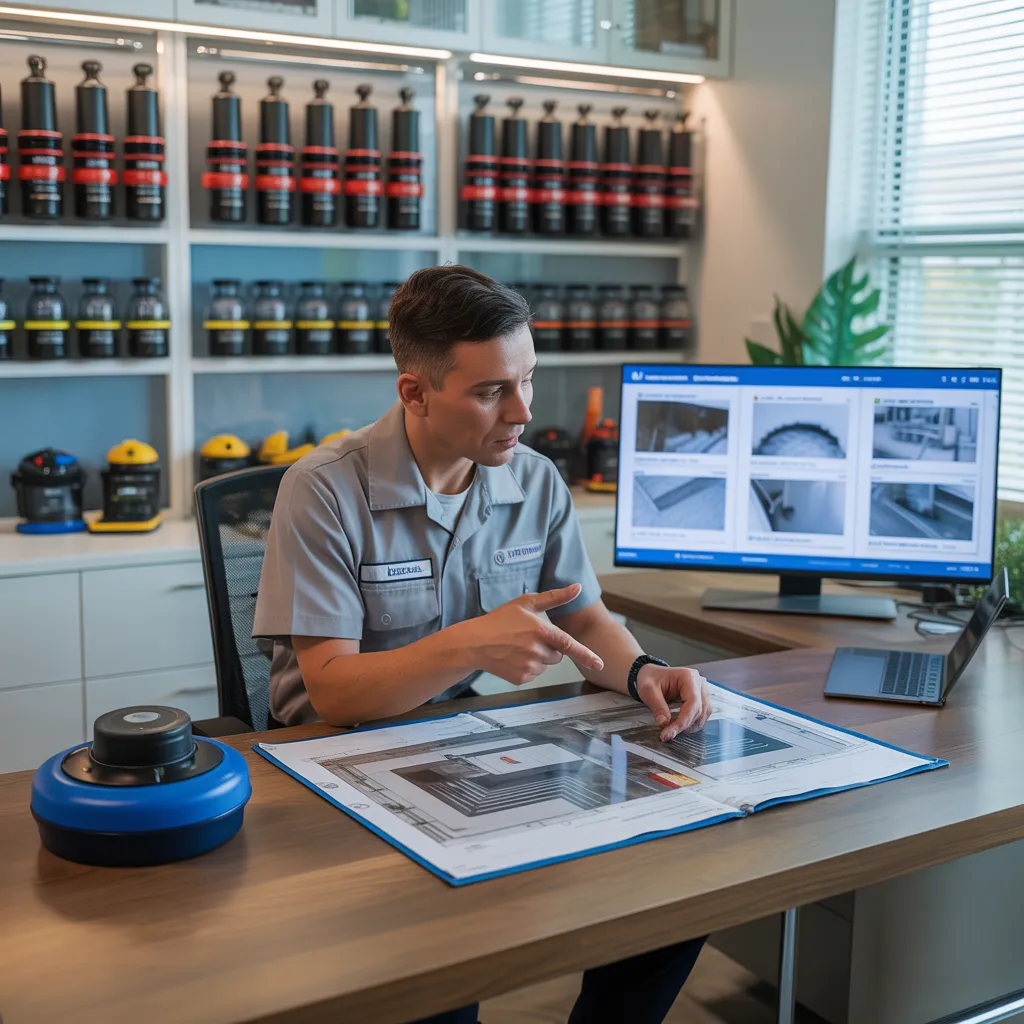
Professionals in mold mitigation begin the process with a comprehensive initial assessment to identify the extent and source of the problem. Throughout this phase, they perform visual inspections, searching for signs of mold growth, water damage, and moisture sources. Using specialized equipment, such as moisture meters and thermal imaging cameras, they assess hidden areas susceptible to mold infestations. The evaluation further includes air quality testing to detect the presence of mold spores. These experts frequently consult with property owners to obtain information about previous water incidents or humidity problems. This detailed assessment enables them to create an effective remediation plan customized to the specific conditions of the property, ensuring a focused approach to mold removal and prevention.
Containment and Removal Approaches
maintain their wellbeing while ensuring that the area stays protected
Post-Cleanup Assessment Procedures
Achieving effective mold removal requires a series of important post-remediation assessment steps. Following the extraction process, mold remediation professionals perform thorough inspections to determine the efficacy of their work. This involves observational assessments and moisture level tests in damaged areas. Indoor air testing is also conducted to identify any leftover mold spores, ensuring that air quality has reverted to safe levels. Experts may use technical equipment, such as thermal imaging cameras, to spot hidden wetness. Once all testing is finished, they compile a thorough report detailing findings and any needed follow-up actions. This verification process not only confirms the success of removal efforts but also provides homeowners with peace of mind regarding their indoor environment's safety and health.
Benefits of Engaging Mold Specialists
When managing a mold infestation, hiring experts can markedly reduce health risks and structural harm. Mold consultants maintain the competence required to identify the source of the issue and evaluate its extent. Their background enables them to implement state-of-the-art equipment and specialized methods that are often not available to average homeowners, confirming effective eradication and inhibition of recurrence.
Furthermore, specialists provide a systematic approach to mold remediation, which includes thorough inspections, containment measures, and secure removal of affected materials. This reduces the risk of spores spreading to unaffected areas. Moreover, specialists follow industry guidelines and standards, providing peace of mind that remediation work are performed safely and effectively.
What to Anticipate During the Mold Remediation Procedure
During the mold restoration process, homeowners can expect a rigorous and structured method to addressing the issue. Initially, professionals conduct a thorough examination to locate the extent of the mold infestation and any concurrent moisture problems. This evaluation establishes the treatment plan tailored to the distinct situation.
Next, the zone is secured to inhibit mold spores from propagating, often using plastic sheeting and negative air pressure systems. Following containment, technicians safely extract contaminated materials, such as drywall or insulation, and administer specialized cleaning solutions to sanitize surfaces.
Air quality inspection may also be carried out to confirm that mold spores are competently eliminated. Once remediation is complete, professionals may indicate repairs and restoration to return the space to its original condition. Homeowners should anticipate clear communication throughout the process, guaranteeing they understand each step taken to protect their health and restore their home.
Advice for Preventing Future Fungal Spread
After finishing the mold mitigation effort, homeowners can take proactive steps to prevent future mold growth. First, keeping low indoor humidity levels is essential; using dehumidifiers in damp areas helps keep moisture at bay. Regularly inspecting and repairing any leaks in roofs, plumbing, or walls will also reduce water accumulation, a key factor in mold development.
Additionally, homeowners should secure proper ventilation in attics, basements, and bathrooms. Unblocking windows and running exhaust fans can greatly diminish moisture. It is advisable to clean and maintain gutters regularly to prevent water overflow.
Additionally, opting for moisture-resistant choices for drywall and paint can deliver an supplementary layer of protection. Finally, homeowners should consider conducting periodic mold assessments, as quick identification is critical for effective management. Through implementing these strategies, individuals can create a healthier living environment and considerably lower the risk of mold recurrence.
Frequently Posed Questions
How Much Do Professional Mold Removal Solutions Typically Price?
Professional mold removal services typically range between $500 to $6,000, depending on the extent of the problem, the size of the affected region, and the specific techniques used by the remediation company.
Will My Insurance Pay For Mold Treatment Costs?
Coverage for mold remediation under insurance policies differs significantly in scope. Some homeowners' insurance plans might cover mold-related costs if damage was caused by a covered peril, though others omit mold entirely. Examining your particular policy is essential.
How much time Does the Mold Remediation Process Usually require?
Mold remediation usually requires one through five days, reliant upon the level of mold contamination and the dimensions of read the information the affected space, along with the exact removal methods used.
Can I remain in My Home Throughout Remediation?
Living in the home during mold remediation is rarely advisable. Experts regularly recommend exiting the premises to preserve protection, lower spore exposure, and support comprehensive treatment of the infected areas without disturbance.
What Qualifications Should I Look for in Mold Remediation Professionals?
When seeking mold remediation professionals, one should search for credentials such as IICRC, NORMI, or ACAC. These certifications demonstrate specialized training and compliance with industry standards for secure and proficient mold removal practices.